Watercolor: Realistic Texture for Creative Design
There's something undeniably captivating about watercolor art. The way pigments blend, the subtle texture of the paper showing through, the organic, slightly imperfect edges—it all creates a sense of warmth, artistry, and handcrafted quality. For designers and creators, capturing that authentic feel in digital work can be a challenge. Many "watercolor" fonts feel flat or overly stylized, lacking the depth and realism that makes the medium so special. That's where a specific type of design asset comes into play: a premium font built with realistic texture and modern font technology.
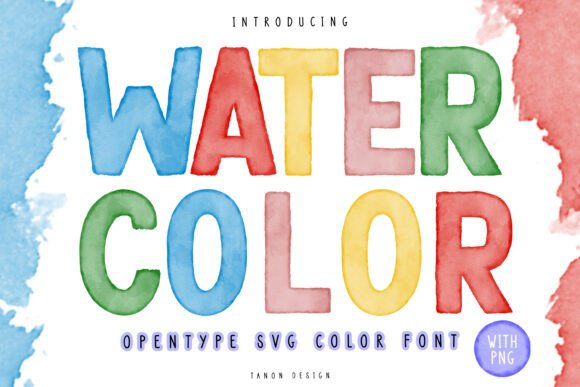
Imagine a typeface where each letter isn't just a shape filled with a flat color, but is actually composed of scanned, high-resolution watercolor brush strokes. This is the core of what makes the Watercolor font so visually appealing. It’s an OpenType SVG Color font, which means it can contain more detail and color variation than traditional fonts. Each character has its own unique texture, with variations in color density, transparency, and brushstroke detail. The result is text that looks like it was genuinely painted onto your design, not just typed. This realistic watercolor texture is designed to interact with your background, allowing a subtle see-through effect that helps the letters blend seamlessly and match the surface they're placed on. This creates a cohesive, integrated look that feels professional and intentional.
Where This Texture Shines: From Branding to Social Media
The practical applications for a font with this kind of authentic texture are vast. Its personality is perfect for projects that need a touch of elegance, creativity, or handmade charm without sacrificing clarity.
Building a Memorable Brand Identity: For businesses in the wedding industry, boutique retail, artisanal food, beauty, or wellness, a watercolor script font can be a cornerstone of brand identity. Use it for a logo, a tagline, or headings on packaging to instantly convey a sense of artisanship and care. The texture adds a layer of sophistication that a simple sans serif font cannot. When used consistently across your website, business cards, and product labels, it builds strong brand recognition through a distinct visual language.
Elevating Digital and Print Presence: The font excels in creating engaging social media graphics. A quote overlay on an Instagram photo or a sale announcement for a Facebook ad gains immediate visual interest with textured, painterly lettering. It stops the scroll. For bloggers and content creators, it can make featured images, Pinterest pins, and email newsletter headers stand out. In print, it’s ideal for designing beautiful wedding invitations, greeting cards, poster art, and even merchandise like t-shirt designs and mugs, where the texture adds a tactile quality to the visual.
Designing Cohesive Marketing Assets: Consistency is key in marketing. Using this watercolor typeface across your digital ads, website banners, and downloadable lead magnets (like PDF guides or checklists) creates a unified and professional presentation. It signals quality and attention to detail to your audience, which can improve engagement and trust. It’s a creative font that serves a strategic purpose.
Making It Work: Practical Tips for Designers and Creators
While a textured display font is powerful, using it effectively requires some consideration. It’s not typically a body text font; its strength is in headlines, logos, and short phrases where its character can be fully appreciated.
Choosing the Right Context: First, consider your project's goal. Is it elegant and romantic? Bold and artistic? The watercolor style generally leans towards a softer, more artistic aesthetic. Match the font's personality to your message. A law firm's website wouldn't be the right fit, but a floral studio's would be perfect.
Testing Font Pairings: Readability is paramount. Pair your watercolor display font with a clean, simple serif or sans serif font for body text. This contrast ensures your message is clear while the decorative font handles the visual impact. For example, a delicate watercolor script for a wedding invitation headline pairs beautifully with a classic serif font for the event details. Always test pairings in context to see how they interact.
Understanding the Technical Side: This particular premium font requires specific software—Photoshop CC 2017+ or Illustrator CC 2018+—to access the full OpenType SVG color features. This is important for designers to note. However, for those using other programs, the included bonus files provide a fantastic solution. The set of high-resolution PNG transparent files allow you to use the watercolor letters in virtually any design software, from Canva to Procreate, or even in video editing projects. Each PNG is a substantial 1200px high, suitable for quality print projects up to approximately 4 inches in size.
Leveraging the Bonus Assets: Don't overlook those PNG files. They are versatile design assets in their own right. You can use them to create custom monograms, spell out names for personalization projects, or use individual letters as decorative elements in a collage. They offer flexibility for crafters and hobbyists who may not use professional design software daily.
Ultimately, choosing a font is about finding the right tool to tell your visual story. A watercolor typeface offers a unique blend of artistic authenticity and digital convenience, helping you create designs that feel both personal and polished. Whether you're refining a brand identity, launching a new product, or crafting a personal project, its realistic texture provides a reliable way to add warmth, creativity, and a professional touch to your work.