Beyond ABCs: Designing with the Baby Block Typeface
There is a distinct, almost tactile memory associated with childhood learning—the satisfying weight of a wooden block in a small hand, the bright primary colors, and the foundational introduction to the alphabet. For designers and creatives, capturing that specific feeling of nostalgia and educational joy without slipping into a tacky, cartoonish aesthetic can be a challenge. Enter Baby Block, a typeface that bridges the gap between the playful innocence of nursery toys and the clean, bold requirements of modern graphic design. It isn't just a font; it is a visual translation of that "click" when letters fit together to form meaning, wrapped in a soft, pastel embrace.
The Visual Language of Playful Education
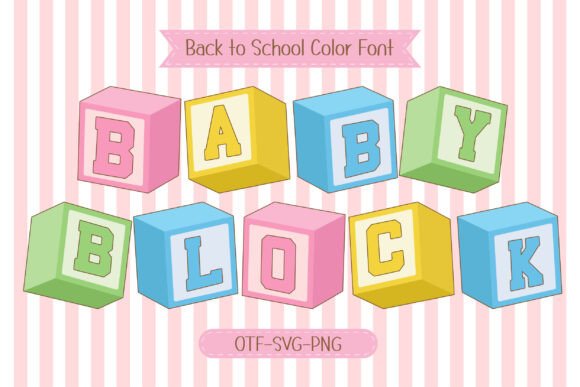
What makes Baby Block immediately stand out in a crowded market of children's typefaces is its unique structural integrity. It draws inspiration from classic alphabet toy blocks but avoids the rigid, wooden grain textures that can sometimes date a design. Instead, it offers a bold sans serif foundation that feels modern and fresh. The letterforms are sturdy and geometric, providing a sense of stability and reliability—qualities essential when communicating with parents or educators.
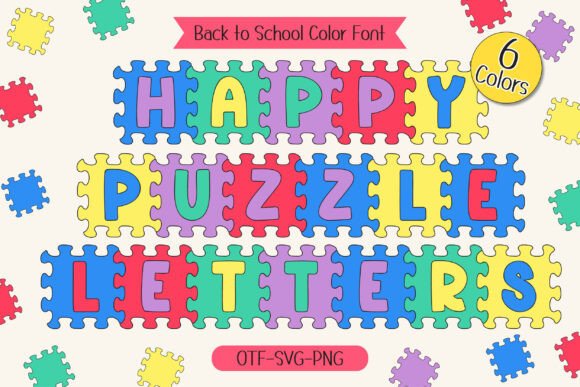
However, the real magic lies in its color execution. As a 4 Color Font, it utilizes a sophisticated layering of soft pastel colors and bright cheerful tones. This isn't a flat, single-hue typeface; it has depth. The interplay of these colors creates a dynamic visual rhythm that mimics the multi-colored nature of real children's toys. This allows designers to bypass the time-consuming process of manually adding gradients or outlines to make text pop. The font does the heavy lifting, delivering a cute, educational, and colorful touch instantly. Whether you are working on a digital interface or print media, the visual weight of the text commands attention while remaining approachable and friendly.
Strategic Applications: From Branding to Merchandise
For the small business owner or creative entrepreneur, typography is not just decoration; it is a strategic asset. Baby Block excels in environments where the goal is to evoke trust, warmth, and creativity. Its versatility allows it to function across a wide spectrum of mediums, making it a valuable addition to any designer’s toolkit.
Consider the following practical applications where this display font shines:
- Logo Design and Brand Identity: If you are launching a daycare center, a children’s clothing line, or an educational app, your logo needs to communicate your ethos instantly. Baby Block provides an immediate visual shorthand for "kid-friendly" and "learning," helping to build brand recognition quickly.
- Packaging Design: In the retail space, shelf appeal is everything. Using this premium font on toy boxes, snack packaging, or school supplies can differentiate a product from competitors using standard, boring typography. It suggests that the product inside is fun and high-quality.
- Merchandise and Apparel: The T-shirt market is saturated, but a unique typeface can make a design stand out. The bold nature of the font ensures that slogans or names are legible from a distance, while the pastel color palette keeps the aesthetic trendy and wearable for modern parents and kids.
- Editorial and Print Materials: Don't limit this font to just kids' stuff. Editorial design for parenting magazines, school newsletters, or community flyers can benefit from the font's high readability and cheerful tone. It breaks up the monotony of standard serif text blocks in blogs and websites.
Enhancing Engagement Through Typography
In the realm of marketing assets and social media graphics, attention spans are short. A creative font like Baby Block can significantly improve audience engagement. When a user scrolls through a feed, a post utilizing this typeface offers a visual "rest stop"—it is bright, inviting, and easy to digest.
Furthermore, visual consistency is key to professional presentation. By integrating a character-rich typeface into your digital products or DIY crafts, you create a cohesive look that ties disparate elements together. For instance, a classroom teacher creating classroom decorations can use Baby Block for headers, labels, and wall art to create an immersive learning environment. The consistency of the font style helps reinforce letter recognition for students, turning design elements into functional educational tools.
Pairing and Practicality: A Designer’s Workflow
While Baby Block is a showstopper, good modern typography often involves pairing. Because this is a bold sans serif with a lot of personality, it pairs best with neutral, legible body text. Think clean geometric sans-serifs or even a simple serif font for longer paragraphs to ensure readability. The goal is to let Baby Block handle the headlines and key phrases—the "fun" parts—while a quieter typeface handles the information delivery.
When testing your font pairings, pay close attention to scale. This typeface is designed to be seen. While it works beautifully on a poster or a T-shirt, it may lose its intricate color details if used at very small sizes, such as footnotes or legal disclaimers on packaging. Always review the included font styles to see if there is a version optimized for smaller text, or switch to a complementary standard font for those areas.
For those using this for commercial projects, it is vital to understand the licensing. Most premium fonts come with specific allowances for commercial use. Ensure that your license covers the specific application—whether it is for a client’s logo, mass-produced merchandise, or a digital download template. This due diligence protects your business and ensures you are respecting the intellectual property of the type designer.
Ultimately, Baby Block is more than just a set of letters; it is a design solution for anyone looking to inject a sense of wonder and approachability into their work. It respects the intelligence of the adult audience while celebrating the curiosity of the child, making it a versatile tool for branding, education, and creative expression.