Blackroad: The Retro Font That Balances Grit and Polish
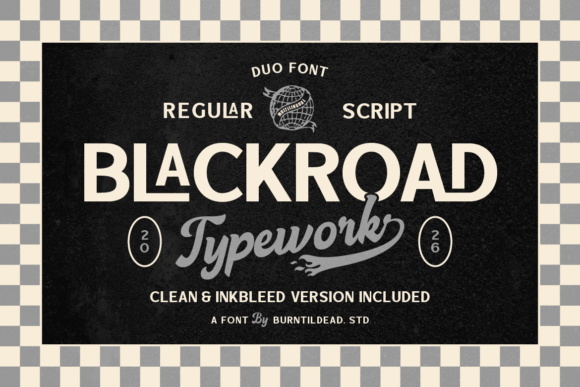
You know the feeling when a design looks too clean, too digital, too sterile? Like it's missing a heartbeat. That’s the gap Blackroad was built to fill. It’s a bold duo font pairing—a crisp sans serif and a flowing vintage script—that gives your work that hand-made, worn-in character without sacrificing legibility or professionalism. If you've ever struggled to find a typeface that feels both modern and nostalgic, structured yet soulful, this might be the creative font you didn’t know you needed.
A Font with Two Personalities That Actually Work Together
What makes Blackroad stand out in a sea of display fonts is its duality. The sans serif style is clean, geometric, and highly readable—great for headlines, body text, and anywhere you need clarity. The script style, meanwhile, brings a smooth, hand-lettered vibe with just enough vintage flair to feel authentic, not kitschy. Together, they create a visual conversation that feels dynamic and intentional.
Think of it like a well-dressed person who pairs a structured blazer with worn leather boots. The contrast is what makes it interesting. You can use the sans serif for your business name or main message, then layer in the script for a tagline, accent word, or call-to-action. This kind of font pairing isn’t just aesthetically pleasing—it helps guide the viewer’s eye and reinforces your message hierarchy.
Where Blackroad Shines: Real Projects, Real Impact
This isn’t a font that lives only in mockups. It’s designed for real-world use across a wide range of creative and commercial applications. Here’s where it tends to make the biggest difference:
- Logo design and brand identity: The combination of styles lets you create logos that feel established and trustworthy, with a touch of handmade warmth. It’s especially effective for brands in food and beverage, outdoor gear, vintage retail, or artisanal goods.
- Packaging design: On labels, boxes, and tags, the inkbleed texture variations add a tactile, printed quality that digital fonts often lack. This can make your product feel more authentic on the shelf.
- Social media graphics: The bold weight and high contrast ensure your posts stand out in crowded feeds. Use the script for quotes or highlights to add personality without overwhelming the layout.
- Website headers and blogs: Pair the sans serif for navigation and body text with the script for section titles or pull quotes to create visual interest and improve readability.
- Print materials: Think posters, flyers, business cards, and invitations. The vintage print effect of the alternate characters and inkbleed versions gives your print pieces an old-school charm that feels intentional, not generic.
- Merchandise and apparel: T-shirts, hats, tote bags—Blackroad’s rugged yet stylish look translates well to physical products where you want a design that feels both current and timeless.
- Editorial layouts and digital products: For magazines, lookbooks, eBooks, or online courses, this typeface helps create a cohesive visual language that keeps readers engaged.
Making It Work for Your Brand or Project
Choosing a creative font is only half the battle. The real skill lies in using it effectively. Here are a few practical tips for getting the most out of Blackroad in your designs:
Start with your project’s goal. Are you trying to feel approachable and rustic, or bold and confident? The sans serif leans more modern and authoritative, while the script adds warmth and authenticity. Decide which emotion you want to lead with, then use the other style as a supporting element.
Don’t overdo the script. It’s tempting to use the handwritten font for everything because it’s so full of character. But too much script can become hard to read, especially at smaller sizes or on busy backgrounds. Reserve it for short phrases, accents, or decorative elements.
Test your font pairings. Blackroad works beautifully on its own, but if you’re using it alongside other typefaces, make sure they complement rather than compete. A simple sans serif or a clean serif font can balance its personality. Avoid pairing it with other highly decorative or script fonts, which can create visual clutter.
Pay attention to readability. Always check how your text looks at different sizes and on different devices. The sans serif style is versatile for body copy, but the script is best used sparingly. If you’re designing for screens, make sure there’s enough contrast between the text and background.
Explore the included styles. Blackroad comes with regular and script versions, plus alternate characters and inkbleed effects. These extras aren’t just decorative—they give you flexibility to create different moods and textures within the same design system. Play around with them to see how they can enhance your work.
Building Visual Consistency and Brand Recognition
One of the most overlooked aspects of branding is typography consistency. Using the same typeface across your website, social media, packaging, and print materials helps build recognition and trust. Blackroad’s dual-style system makes this easier because you have built-in variety without losing cohesion.
For example, you might use the sans serif for all your digital interfaces and the script for physical materials like thank-you cards or product tags. This creates a subtle but effective distinction between your online and offline presence while keeping everything under one visual umbrella.
Consistency also extends to tone. The vintage, rugged feel of this display font communicates something specific about your brand—it suggests craftsmanship, attention to detail, and a respect for tradition. If that aligns with your brand values, it can be a powerful tool for connecting with your audience on an emotional level.
Practical Considerations Before You Commit
Before integrating any premium font into your workflow, there are a few things worth checking:
- Commercial licensing: Make sure the font license covers your intended use. Most design assets come with clear terms for personal versus commercial projects. If you’re using it for client work or merchandise, verify that the license allows for that.
- File formats and compatibility: Check that the font files work with your design software—whether that’s Adobe Creative Suite, Canva, Figma, or something else. Most modern fonts are compatible, but it’s always good to confirm.
- Test in context: Don’t just look at the font in isolation. Place it in your actual design mockups to see how it interacts with your color palette, imagery, and layout. What looks great in a preview might feel different in practice.
Typography is one of those subtle design elements that can make or break a project. A font like Blackroad doesn’t just decorate—it communicates. It tells your audience something about who you are and what you value. Whether you’re building a brand from scratch or refreshing an existing identity, having a versatile, character-rich typeface in your toolkit gives you more ways to express your vision with clarity and style.