Pistacho: A Retro-Modern Typeface for Bold Branding
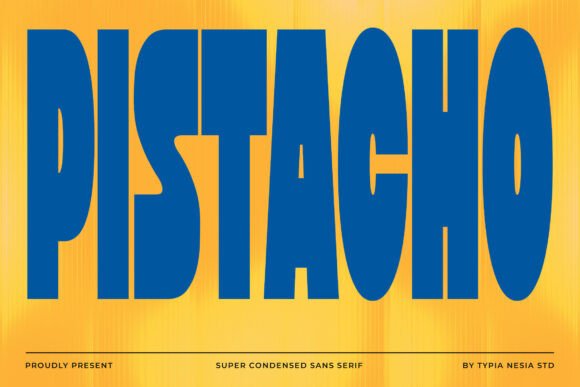
There’s a specific kind of energy that comes from a font that knows exactly what it is. It doesn’t whisper; it makes a statement. It doesn’t blend in; it commands attention. That’s the feeling you get when you work with Pistacho, a bold retro super condensed sans serif typeface that pulls from the visual language of the 80s, 90s, and Y2K, yet feels completely at home in contemporary design. Its tall, narrow proportions create an immediate vertical impact, making it a go-to choice for projects that need to stretch upward and stand out in a crowded visual landscape.
Where Retro Charm Meets Modern Edge
Pistacho’s design is a study in intentional contrast. It has the sturdy, unadorned structure of a modern sans serif, ensuring clarity and a clean foundation. Layered onto that is a distinct retro personality—think the bold, condensed lettering on vintage arcade cabinets, classic music posters, or the packaging for a trendy 90s snack. This blend allows it to feel nostalgic without being dated, and contemporary without being sterile. The super condensed style is particularly practical. It lets you fit impactful headlines into tight spaces, whether you’re designing a vertical social media story, the spine of a book, or the label on a coffee bag. It’s a typeface that understands the constraints of real-world design and turns them into an advantage.
Practical Applications for Your Next Project
The true test of a premium font is its versatility across different mediums. Pistacho shines in scenarios where you need a strong, memorable voice. For logo design, its condensed form can create a unique monogram or a powerful wordmark that’s instantly recognizable. In packaging design, especially for coffee brands, artisan goods, or boutique products, it lends an air of curated, modern craftsmanship. Imagine it on a matte black bag of whole beans or a minimalist can of cold brew—it immediately sets a tone.
Beyond static branding, consider its role in dynamic contexts. As a display font for posters and music event promotions, it captures the high-energy vibe of the subject matter. For social media graphics, its bold presence stops the scroll, making it perfect for quote cards, sale announcements, or channel branding. It’s equally effective in editorial design, used for chapter titles or pull quotes in magazines and blogs, where it adds a dramatic typographic accent without overwhelming body text.
Building a Cohesive Visual Identity
Choosing a typeface like Pistacho is a strategic decision for your brand identity. Its consistent use across your marketing assets—from your website headers to your email newsletters and printed flyers—builds a cohesive visual language. This consistency is key to brand recognition. When your audience sees that distinctive, condensed letterform, they’ll begin to associate it with your brand’s personality: bold, innovative, and style-conscious.
However, a strong display font needs the right partners. The most effective font pairing strategy is to contrast style and function. Pair Pistacho with a highly readable serif font or a clean, neutral sans serif for your body copy. This creates a clear hierarchy, ensuring your headlines grab attention while your longer text remains comfortable to read. For example, use Pistacho for a website’s H1 and H2 tags, then pair it with a typeface like Open Sans or Lora for paragraphs. This approach maintains professional presentation and readability across all your communications.
Smart Typography: Beyond Just Looking Good
Great design is functional. While Pistacho’s aesthetic is its main draw, its practical benefits are significant. Its condensed nature improves information density, allowing you to communicate more in less space—a crucial factor in web design and digital products where screen real estate is limited. For small business owners and entrepreneurs, investing in a commercial font like this means you have a legally sound, high-quality asset for all your creative projects, from merchandise to invitations.
Before finalizing your design, always test the font in context. Check how Pistacho renders at various sizes, especially for smaller applications like subtitles or call-to-action buttons. Review the included font styles—does it come with multiple weights or alternate characters that could enhance your project? Understanding the full scope of the design assets you’re working with allows you to use them more effectively. Whether you’re a content creator looking to elevate your thumbnails or a brand strategist developing a new visual system, Pistacho offers a distinctive tool to articulate a specific, modern-retro aesthetic with confidence and clarity.