Toy Story: A Playful Font for Whimsical, Eye-Catching Designs
Imagine opening a birthday invitation and instantly feeling a wave of excitement. The letters are bubbly, the colors pop, and the whole thing just screams "fun." That’s the power a typeface like Toy Story brings to the table. It’s not just a font; it’s a mood-setter. For designers, small business owners, and creators, finding a typeface that captures a specific feeling—like joy, nostalgia, or playful energy—can transform a good project into a memorable one. This cheerful, modern display font does exactly that, offering a vibrant and hopeful character that can breathe life into a wide range of creative work.
More Than Just Letters: The Visual Personality of Toy Story
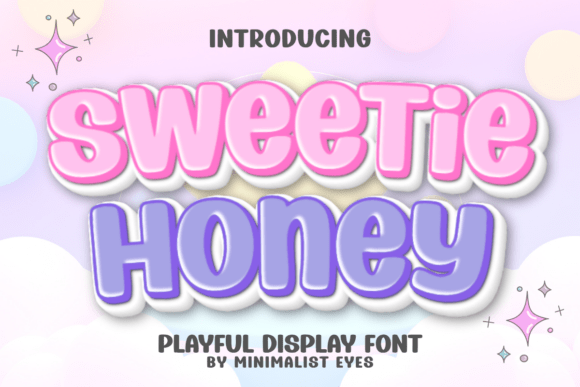
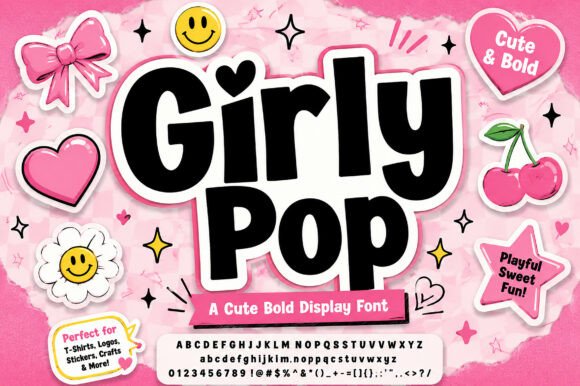
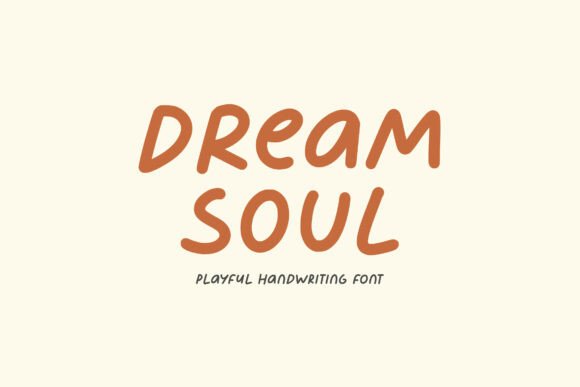
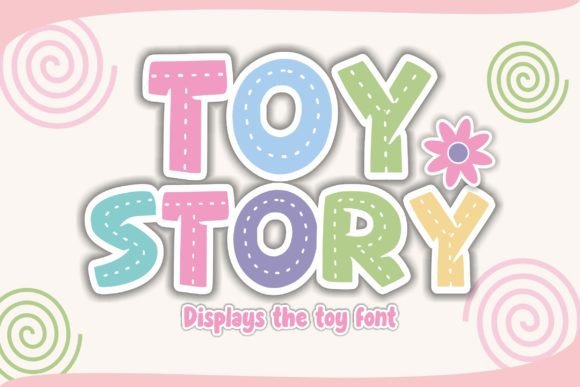
At its core, Toy Story is a premium font designed to be a showstopper. Its visual style leans into a rounded, friendly aesthetic with a modern twist. Think of the typography you’d see on a beloved animated movie poster or the cover of a bestselling children’s book. The letterforms are clean and legible, avoiding overly childish clichés while still radiating warmth and approachability. This balance is crucial. It allows the font to feel appropriate for projects targeting kids, families, or anyone who appreciates a lighthearted, optimistic vibe without looking unprofessional.
What makes it particularly useful is its versatility as a creative font. It often comes as part of a larger typeface family, potentially offering variations in weight or style—maybe a bold version for impactful headlines and a slightly lighter one for supporting text. This gives you the tools to create hierarchy and visual interest within a single design system. When you’re building a brand identity, having a font family with multiple styles ensures consistency across all your materials, from a bold logo to the finer print on packaging.
Practical Applications: Where This Font Truly Shines
The real value of a typeface like Toy Story is in its application. It’s a tool, and knowing where to use it effectively is key. Its inherent cheerfulness makes it a natural fit for projects centered around celebration, creativity, and community.
- Invitations & Event Branding: For birthday parties, baby showers, community festivals, or themed events, this font sets the tone immediately. It promises a fun experience before the event even begins.
- Packaging & Product Labels: If you sell handmade crafts, toys, gourmet cookies, or colorful stationery, Toy Story can make your product jump off the shelf. It communicates that your product is enjoyable, approachable, and made with care.
- Social Media Graphics & Thumbnails: In a crowded feed, a visually distinctive typeface helps your content stand out. Use it for quotes, announcements, or video thumbnails to grab attention and build a recognizable visual style for your channel or brand.
- Children’s Books & Editorial Design: For authors and publishers, the right font is critical. A playful yet readable display font like Toy Story can be perfect for titles, chapter headings, and pull quotes in middle-grade books or activity guides.
- Logo Design & Brand Identity: For businesses that want to project a friendly, creative, and modern image—think toy stores, pediatricians’ offices, art studios, or family-friendly cafes—this font can be the cornerstone of a memorable logo.
- Posters & Merchandise: From concert posters for family bands to T-shirt designs and stickers, the font’s bold character ensures your message is seen and felt. It translates beautifully to physical products.
Integrating Toy Story Into Your Design Workflow
Adopting a new font into your projects requires a bit of strategy. It’s not just about liking how it looks in isolation; it’s about how it works with your other design elements and serves your project’s goals.
Font Pairing is Everything. A bold, personality-driven display font like Toy Story rarely works well alone for large blocks of text. The smartest approach is to pair it with a highly legible, neutral companion. A clean sans-serif font like Montserrat or Open Sans for body text creates a perfect balance. The display font grabs attention, while the sans-serif ensures readability for longer descriptions, paragraphs, or website content. This pairing creates a professional and cohesive look.
Prioritize Readability. Always test your typography in context. A font that looks great at 72pt on your screen might lose clarity when printed small on a business card or viewed on a mobile device. Print out samples, view mockups on different screen sizes, and ensure the kerning (spacing between letters) and legibility hold up. For web design, check how the font renders across browsers.
Understand Your Licensing. If you’re using the font for a client project, merchandise for sale, or any commercial application, you must verify the license. Most premium fonts come with specific terms. Ensure the license covers your intended use—whether it’s for a single client, unlimited projects, or for print-on-demand products. Respecting these terms is a fundamental part of professional practice.
A Final Thought on Choosing Your Creative Tools
Typography is one of the most powerful tools in a designer’s or creator’s arsenal. It communicates personality, builds trust, and guides the viewer’s eye. A font like Toy Story offers a specific slice of that communication spectrum: joy, energy, and modern whimsy. It’s not the solution for every project—a law firm’s annual report would call for a different voice—but for the right context, it’s invaluable. By understanding its strengths, pairing it wisely, and applying it thoughtfully, you can leverage this creative font to make your projects more engaging, memorable, and visually consistent. Let it be the spark that adds that essential pop of color and excitement to your next design.