The Sweet, Handwritten Charm of Display Memories Font
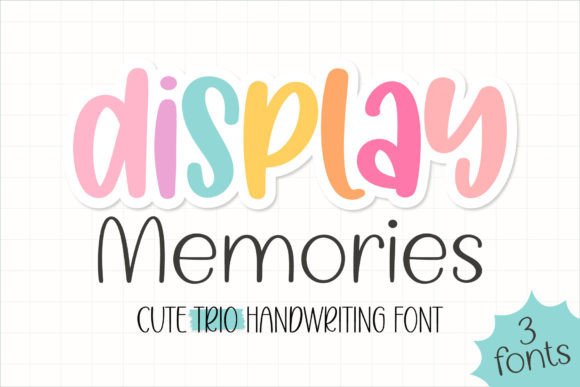
There’s something undeniably special about a font that feels personal. In a world saturated with sleek, digital perfection, a touch of human warmth can make your designs stand out instantly. Display Memories is that kind of typeface—a sweet and cute handwritten trio font that doesn’t just display text; it tells a story. Its versatile style carries the gentle imperfections of hand-lettering, making it perfect for projects where you want to evoke emotion, authenticity, and a personal connection. Whether you’re crafting a wedding invitation, designing a boutique logo, or creating social media content that stops the scroll, this font brings a layer of heartfelt charm that’s hard to replicate.
A Font with Personality: More Than Just Letters
What sets Display Memories apart is its thoughtful design as a trio. You’re not just getting one script; you’re getting a cohesive family that works together. This typically includes a flowing script for headlines and logos, a complementary sans serif or serif for body text and readability, and perhaps an additional style like a bold or italic variation. This built-in versatility is a game-changer for visual consistency. Imagine using the script for a bakery’s logo, the clean sans serif for its menu descriptions, and the bold style for promotional posters. The result is a unified brand identity that feels intentional and professionally curated, without the headache of hunting for matching fonts from different sources.
The visual appeal lies in its balance. It’s whimsical but not childish, elegant but not stuffy. The letterforms have a natural, slightly irregular baseline and varied stroke widths, mimicking the rhythm of real handwriting. This creates a dynamic texture on the page or screen that draws the eye. For designers and small business owners, this personality is a powerful tool. It can make a product feel handmade, a service feel approachable, or a message feel genuinely heartfelt. It’s a premium font that offers a significant return on emotional investment for your projects.
Practical Magic: Where Display Memories Truly Shines
Thinking about where to use this typeface? The applications are wonderfully broad, thanks to its trio structure. Let’s break down some real-world scenarios where it can elevate your work.
For branding and logo design, the script style is ideal for creating a memorable, one-of-a-kind mark. Pair it with the clean companion font for your website copy and business cards to build a full, professional identity. In packaging design, it can add a gourmet or artisanal touch to labels for cosmetics, jams, candles, or specialty foods. The handwritten feel suggests care and quality.
On the digital front, Display Memories is a standout for social media graphics. Use it for quote overlays, Instagram stories, or Pinterest pins to add personality and increase engagement. Its readability at various sizes makes it suitable for blog headers and website elements, though it’s wise to pair it with a more neutral font for long-form body text to ensure optimal readability. For print materials like wedding invitations, greeting cards, and posters, it delivers instant charm and sophistication.
Don’t overlook its potential in editorial design for chapter headings in books or magazine features, or for creating beautiful digital products like printable planners, worksheets, or e-book covers. Even merchandise—think tote bags, mugs, or t-shirts—can benefit from its friendly, approachable vibe.
Smart Pairings and Readability: A Designer’s Guide
While Display Memories is versatile, using any handwritten font effectively requires some strategy. The key is contrast and hierarchy. A common and effective pairing is to use the Display Memories script for your main headline or logo, and then pair it with a simple, geometric sans serif font (like Montserrat, Poppins, or even a clean serif like Lora) for subheadings and body text. This contrast ensures your design has visual interest while maintaining clarity.
Always consider readability considerations. The script style is beautiful for short bursts of text—titles, pull quotes, or decorative phrases. However, setting an entire paragraph in a flowing script can become tiring to read. That’s where the companion sans serif or serif in the trio becomes invaluable, allowing you to maintain the font’s personality across different content types without sacrificing function.
Testing font pairings is non-negotiable. What looks great on a wedding invitation mockup might not work for a website’s navigation menu. Always view your designs at the intended size and in context. Does the script legible at 24pt on a mobile screen? Is the sans serif companion clear enough for a product description? A quick test can save you from redesigns later.
Making It Work for Your Brand and Projects
Choosing the right font style within the trio depends on your project’s goal. Need a romantic, elegant feel? Lean into the script. Aiming for a modern, friendly aesthetic? The sans serif companion might carry more of the load. The beauty of having a curated set is that you can mix and match to find the perfect balance for each specific application.
Before you commit, take a moment to review the included font styles. Understand what OpenType features it might offer—like alternate characters or ligatures—that can give you even more customization. And, crucially, check the commercial licensing considerations. Most premium fonts like Display Memories come with licenses for both personal and commercial use, but it’s always your responsibility to ensure the license covers your specific project, whether it’s for a client, a product you sell, or your own business marketing.
Ultimately, Display Memories is more than just a creative font; it’s a design asset that can help improve visual consistency, strengthen brand recognition, and foster greater audience engagement. By understanding its strengths and pairing it thoughtfully, you can harness its sweet, handwritten charm to create work that feels both beautiful and authentically you. It’s a testament to how the right typeface can transform a simple design into a memorable experience.