The Once After Typeface: A Blend of Serif Elegance and Sans-Serif Clarity
There is a distinct moment in design where you need a typeface to do more than just sit on a page; you need it to speak. You need it to convey a specific mood—perhaps the quiet confidence of a high-end brand or the sharp focus of a modern editorial layout. This is where sophisticated typography steps in, not just as a utility, but as a core element of visual storytelling. For designers and brand builders seeking a typeface that balances modern minimalism with a touch of dramatic flair, the Once After typeface presents a compelling solution. It is a design asset that feels both contemporary and timeless, built for projects that demand attention to detail and a premium aesthetic.
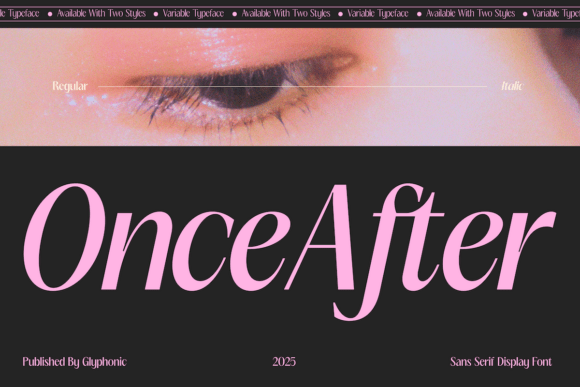
At its core, Once After is a variable sans-serif display typeface, but that description only scratches the surface. Its personality is defined by elegant, high-contrast curves and large, expressive apertures—the open spaces within letters like 'c' or 'e'. What truly sets it apart is its subtle borrowing from serif design principles. While it maintains the clean, minimalist structure of a sans-serif, it incorporates the graceful strokes and weight transitions often found in serif fonts. This unique combination results in a highly editorial look, perfect for projects that aim to feel luxurious, thoughtful, and refined. The large, sweeping bowl structures give letters a glamorous presence, making it a standout choice for high-fashion magazines, exclusive digital interfaces, and premium beauty branding.
Practical Applications for a Premium Font
Understanding a font's visual appeal is one thing; knowing how to apply it effectively across different media is where the real value lies. The versatility of the Once After typeface allows it to shine in a wide array of creative and commercial projects. Its elegant character makes it particularly well-suited for applications where first impressions and brand perception are critical.
For branding and logo design, Once After offers a distinct voice. A logo set in this typeface can instantly communicate sophistication and modernity. Consider a boutique skincare brand, an architectural firm, or a luxury lifestyle blog; the font's high-contrast curves and clean lines would help establish a strong, recognizable identity. In packaging design, it can elevate a product on the shelf, suggesting quality and attention to detail before the customer even reads the copy.
In the digital realm, its impact is just as significant. For web design and social media graphics, Once After serves as a powerful display font for headlines, hero sections, and key call-to-action statements. Its large apertures contribute to excellent readability on screens, even at larger sizes. A website for a creative agency or a series of Instagram graphics for a fashion influencer could use this font to create a cohesive, stylish visual feed that captures the audience's attention while scrolling. Furthermore, its utility extends to editorial layouts for magazines or lookbooks, invitations for upscale events, and even merchandise where a minimalist, chic aesthetic is desired.
Enhancing Your Visual Communication
Choosing the right typeface is a strategic decision that directly influences how your message is received. Implementing a font like Once After can have a tangible impact on several key aspects of your project's effectiveness. Its design promotes visual consistency across all your touchpoints, from your website to your business cards, reinforcing a unified brand identity. This consistency is a cornerstone of strong brand recognition, helping your audience quickly identify and remember your visual language.
The font's thoughtful construction also supports readability. The generous apertures and precise weight transitions ensure that text remains clear and legible, which is crucial for maintaining user engagement, especially in longer blocks of text or on digital screens where clarity is paramount. Ultimately, using a well-crafted typeface like Once After contributes to a more professional presentation. It signals to your audience that you value quality and design, which can foster trust and enhance audience engagement with your content or products.
Working with a Variable Font: Practical Considerations
Once After is a variable typeface, a feature that offers designers immense control and flexibility. Unlike static fonts that come in fixed weights (like Regular, Bold, Italic), a variable font allows you to fine-tune the weight along a continuous spectrum. This means you can adjust the thickness to achieve perfect visual balance for any context—whether it's ensuring a caption is delicate enough for a photo overlay or making a headline bold enough to command attention on a poster. This adaptability makes it a highly practical design asset for multi-platform projects, ensuring your typography performs consistently across print and digital media.
When integrating Once After into your workflow, here are a few practical tips:
- Explore the Included Styles: The typeface is available in regular and italic styles. Make sure to review all the glyphs, swashes, and alternate characters included. Since the font is PUA-encoded, accessing these special characters is straightforward, allowing you to add unique flourishes to logos or headlines for extra customization.
- Test Font Pairings: While Once After is a stunning display font, pairing it with a complementary typeface for body text is often wise. Consider pairing it with a simple, highly readable sans-serif or a classic serif font to create a balanced hierarchy. The goal is to let Once After be the star for headlines while ensuring longer text remains easy to read.
- Consider Readability in Context: Always test your typography in the environment where it will be viewed. Check how it looks on a mobile device versus a desktop screen, or how it prints on different paper stocks. Its large apertures aid readability, but testing ensures optimal performance for your specific audience.
- Review Licensing for Commercial Use: Before using the font in any client project or commercial product, always confirm the licensing terms. Most premium fonts require a specific license for commercial use, so ensuring you have the correct one is a fundamental step in professional practice.
Incorporating a typeface like Once After into your toolkit is about more than just selecting a pretty font. It's about choosing a design partner that can help you articulate a specific brand voice—whether that's modern luxury, editorial sophistication, or minimalist chic. By understanding its unique characteristics and applying it thoughtfully across your projects, you can enhance your visual communication and create more compelling, professional designs that resonate with your audience.