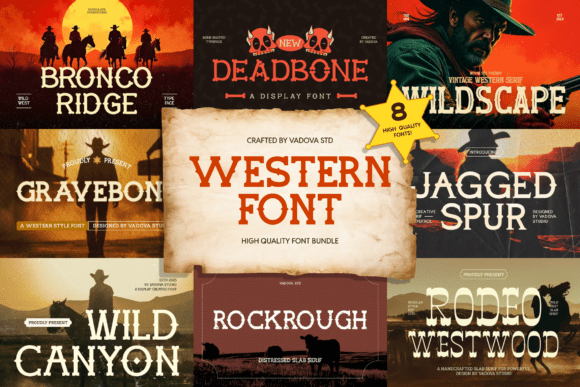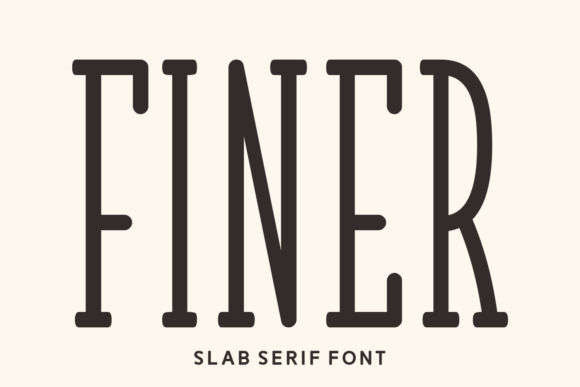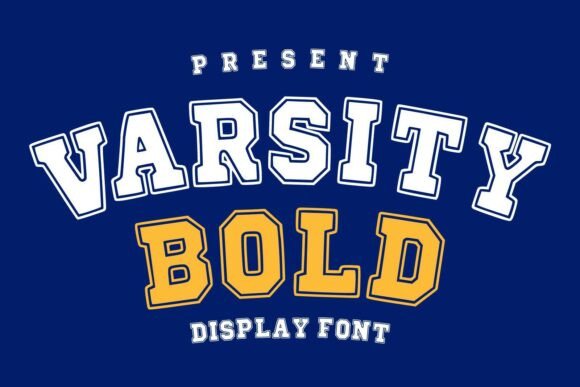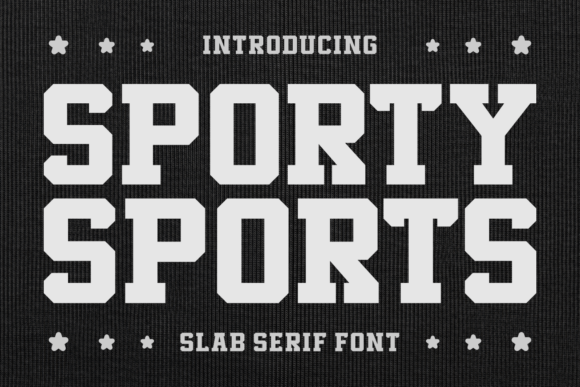
Rough Cowboy: The Distressed Western Font for Authentic Branding
You know the feeling when a design just needs a little grit. Maybe it's a logo for a new barbecue joint, a t-shirt line celebrating rural life, or an event poster that has to feel like it's been sun-baked and wind-worn for decades. That's where a typeface with real character steps in. Rough Cowboy isn't just a collection of letters; it's a mood, a texture, and a direct line to the rugged, independent spirit of the American West. It’s the kind of font that makes you want to run your fingers over the screen, feeling the implied grain of weathered wood or old leather.
More Than Just a Display Typeface
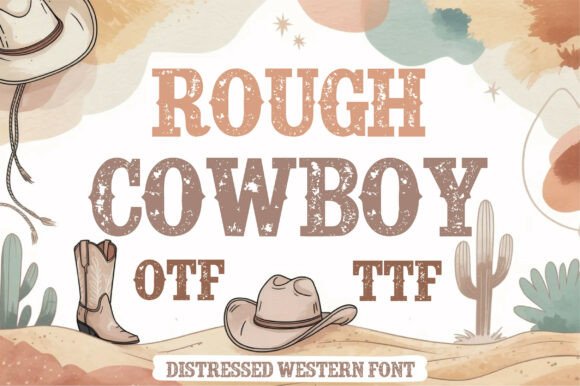
At its core, Rough Cowboy is a bold, distressed western display font. But let's unpack what that actually means for your project. "Display" means it's built for headlines, logos, and any place where you need immediate visual impact, not for setting paragraphs of body copy. Its strong slab serifs—those sturdy, block-like feet on the ends of letters—give it a monumental, stable foundation. This isn't a delicate, whispering font. It speaks with authority.
The "distressed" and "worn texture" are where the magic happens. Instead of a clean, digital-perfect finish, the letters have a built-in patina. Think of the faded paint on an old barn door or the ink that's slightly bled into thick cotton. This texture adds instant history and authenticity. It tells a story before the words are even read. For a small business owner creating a brand identity, this is gold. You're not just choosing a font; you're choosing a visual shorthand for values like craftsmanship, durability, and tradition.
Putting Rough Cowboy to Work: Practical Applications
The true test of any creative font is how it performs in the wild. Rough Cowboy's rugged personality makes it incredibly versatile for specific, high-impact uses.
- Logo Design & Branding: This is its sweet spot. A Rough Cowboy logo for a craft brewery, a leather workshop, a rodeo, or a rustic wedding venue immediately sets the tone. It communicates strength and a hands-on ethos. Pair it with a simple, clean sans serif for your tagline or website text to create a balanced and professional brand identity.
- Merchandise & Apparel: T-shirts, hats, and tote bags are where this font shines. Its bold presence ensures your message is readable from a distance, and the distressed style looks fantastic printed on fabric, giving it a vintage, lived-in feel right off the shelf.
- Packaging & Labels: Imagine this on a hot sauce label, a bag of artisan coffee, or a jar of local honey. The rugged texture suggests a product made with care and natural ingredients, helping it stand out on a crowded shelf.
- Posters & Event Graphics: Whether it's for a country music festival, a local fair, or a vintage market, Rough Cowboy creates posters that feel like authentic artifacts, not just digital flyers. It grabs attention and sets the event's mood instantly.
- Digital Presence: Use it strategically for website headers, blog post titles, or social media graphics to inject personality. A food blogger focusing on Southern recipes or a travel blogger documenting national parks could use it to create a cohesive and thematic visual language across their platform.
Smart Typography: Pairing and Readability
A font like Rough Cowboy is a powerful tool, but using it effectively requires a bit of strategy. Because it's so textured and bold, it's not meant for long sentences or small body text where its details could become muddy and hurt readability. The rule of thumb is simple: use it for impact, and let another font handle the heavy lifting of paragraphs.
Font Pairing is Key. To let Rough Cowboy's personality lead without overwhelming the viewer, pair it with a complementary typeface. A clean, modern sans serif font like Montserrat or Lato creates a beautiful contrast, letting the western display font be the star while keeping supporting text crystal clear. Alternatively, a simple script font or handwritten font can add a touch of personal, human flair alongside it for a more crafted look. Always test your pairings at the actual size they'll be used.
Licensing and Practicalities. Before you dive in, always check the licensing of the premium font you're considering. Rough Cowboy is typically offered as a commercial font, meaning you're purchasing the right to use it in client projects and for commercial products like merchandise. This is a crucial step for any design asset. Review what's included: does it come with multiple styles, like a regular and a more heavily textured version? Are there special characters or alternates that could add extra flair to your logo design or social media graphics?
Crafting a Cohesive Visual Story
Ultimately, choosing a typeface like Rough Cowboy is about more than just aesthetics; it's about communication. In a world saturated with smooth, generic digital design, a font with tangible texture and history cuts through the noise. It helps a brand, an event, or a creator tell a more compelling and consistent visual story. It builds brand recognition because people remember how it made them feel—authentic, strong, and connected to a timeless aesthetic.
Whether you're a creative entrepreneur building a brand from the ground up, a designer looking for the perfect display font for a client project, or a hobbyist crafting personalized gifts, understanding the power of a typeface like this is a game-changer. It’s not about following a trend; it’s about choosing a tool that aligns perfectly with the message you need to send. So, the next time your project calls for a dose of unapologetic character, consider the dusty trails and bold spirits that a font like Rough Cowboy can bring to your work.