Bringing Joy to Your Designs: The Mickey Mouse Font Style
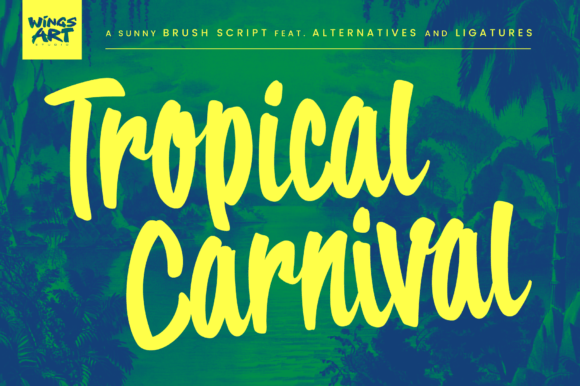
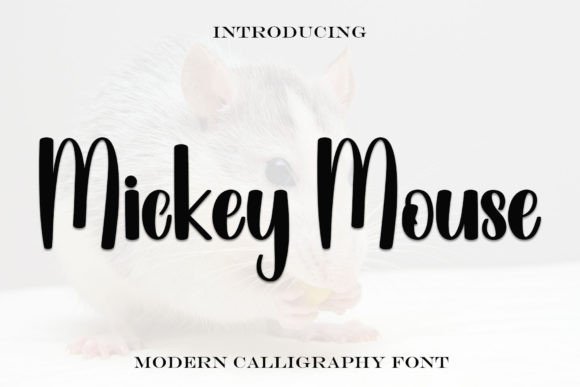
There’s a certain magic in the way some designs just feel happy. You see it in a child’s birthday invitation, a local bakery’s menu, or the logo for a family-friendly event. Often, that feeling comes down to a single, powerful choice: typography. The right typeface doesn’t just present words; it conveys emotion, personality, and intent before a single sentence is fully read. This is where a font with a bold, playful handwritten style, much like the iconic Mickey Mouse font, becomes an invaluable asset for any creative toolkit. With its thick, rounded letters that look like they were drawn by hand, this kind of typeface injects a dose of fun and lively energy into any project, making it perfect for giving a cheerful and friendly vibe.
A Typeface That Feels Like a Celebration
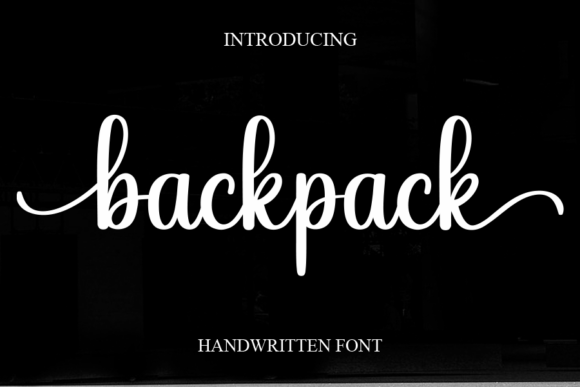
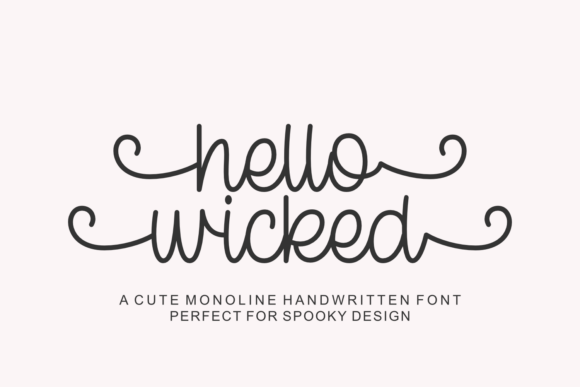
What exactly defines this category of creative font? Imagine letterforms that aren’t rigid or overly precise. The strokes are consistent and confident, mimicking the feel of a marker or a paintbrush. The curves are soft and rounded, eliminating sharp edges that can feel formal or cold. This handwritten font style is a display font at its core, meaning it’s designed to be seen and to make a statement, typically in headlines, logos, or short bursts of text rather than in lengthy paragraphs. Its visual appeal lies in its immediacy and warmth. It communicates approachability, nostalgia, and unadulterated joy, making it a powerful tool for modern typography aimed at families, children, or any audience seeking a lighthearted touch.
Unlike a classic serif font that might whisper tradition, or a clean sans serif font that speaks with neutral efficiency, this playful typeface shouts with personality. It’s the typographic equivalent of a friendly wave or a shared laugh. For a brand, this isn’t just decorative; it’s strategic. Choosing a font like this signals that your business is personable, fun, and focused on creating positive experiences.
From Brand Identity to Packaging: Where This Font Shines
The practical applications for a bold, handwritten style are vast and varied. For small business owners and entrepreneurs, the most immediate use is in crafting a memorable brand identity. A logo design using this font can instantly position a company as approachable and customer-centric. Think of a children’s clothing boutique, a cupcake shop, a pet grooming service, or a mobile DJ business. The font does the heavy lifting of setting the right tone from the very first glance.
This extends seamlessly into packaging design. On a shelf crowded with competitors, a product wrapped in a playful, handwritten typeface stands out. It tells a story of fun and care, which can be especially effective for food items, toys, cosmetics aimed at a younger demographic, or artisanal goods. The font’s friendly style makes the product feel less corporate and more like a gift.
For content creators and marketers, this font style is a secret weapon for audience engagement. Social media graphics thrive on personality and quick visual communication. Using a bold, playful font for Instagram story headlines, Pinterest pins, or Facebook event covers can dramatically increase stop-scroll appeal. It makes announcements feel like invitations and promotions feel like celebrations. Similarly, on websites and blogs, it can be used sparingly but effectively for section headers, call-to-action buttons, or author bios to break up visual monotony and inject brand voice into the digital space.
Practical Tips for Choosing and Using a Playful Font
Adopting a font with such a strong personality requires a bit of strategy. The goal is to harness its energy without overwhelming your design or sacrificing clarity. Here’s some practical advice for designers, crafters, and hobbyists alike.
Match the Font to Your Project’s Goal. Ask yourself what emotion you want to evoke. If the answer is “fun,” “energetic,” “childlike wonder,” or “retro charm,” you’re on the right track. This style works beautifully for invitations, posters for community events, merchandise like t-shirts and mugs, and editorial layouts for lifestyle magazines. It might be less suitable for a law firm’s annual report or a luxury watch brand’s website, where sophistication and restraint are key.
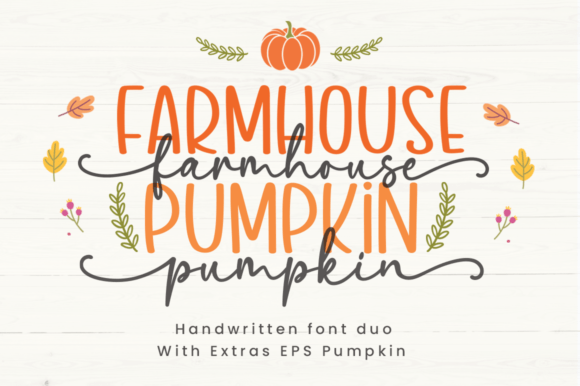
Master the Art of Font Pairing. A display font with this much character needs a calm, neutral partner. The most common and effective pairing is with a simple sans serif font. Use the playful font for headlines and major titles, and set your body copy, subheadings, and captions in the clean sans serif. This creates a beautiful visual hierarchy that guides the reader’s eye and maintains readability. Avoid pairing it with another highly decorative script font, as the two will compete for attention and create visual chaos.
Prioritize Readability Above All Else. Because of its bold and sometimes intricate letterforms, this font style can be challenging to read at very small sizes or in long blocks of text. Use it for short, impactful phrases. Ensure there is enough contrast between the text and its background. Test your designs at the actual size they will be viewed—whether on a mobile phone screen or a printed poster—to make sure every letter is clear.
Review the Included Font Styles. A quality premium font family often comes with more than just the basic alphabet. Look for included styles that can expand your creative options. A full family might include regular, bold, and outline versions. Some may offer alternates for certain letters, swashes, or even a set of doodles and ornaments that complement the main font. These extras are gold for creating unique logos and custom graphics.
Understand Commercial Licensing. This is a critical, often overlooked step. If you are using the font for any project that will generate revenue—whether it’s a client’s logo, your own product packaging, or merchandise for sale—you must ensure you have the correct commercial license. Always read the license agreement provided by the font designer or foundry. Respecting these terms protects you legally and supports the artists who create these essential design assets.
Building a Cohesive and Engaging Visual Language
Ultimately, incorporating a bold, playful handwritten font into your design system is about more than just picking a fun typeface. It’s about building a consistent visual language that resonates with your target audience. When used thoughtfully across your branding—from your logo to your social media graphics to your packaging—you create a cohesive look that is instantly recognizable. This consistency builds brand recognition and trust. Your audience begins to associate that friendly, cheerful vibe with your business, making your marketing more effective and your brand more memorable.
For the creative entrepreneur or the marketing professional, this font becomes a key piece of your design toolkit. It’s the go-to asset when you need to communicate warmth, excitement, and approachability. It helps transform a standard invitation into a must-attend event, a simple product label into a shelf standout, and a basic social media post into a shareable moment. In a world where visual communication is paramount, having a reliable, expressive font that delivers a cheerful and friendly vibe is not just a nicety—it’s a practical necessity for connecting with your audience on an emotional level.